End-of-Summer Tree Health Check: What Upstate SC Homeowners Should Watch For This Fall
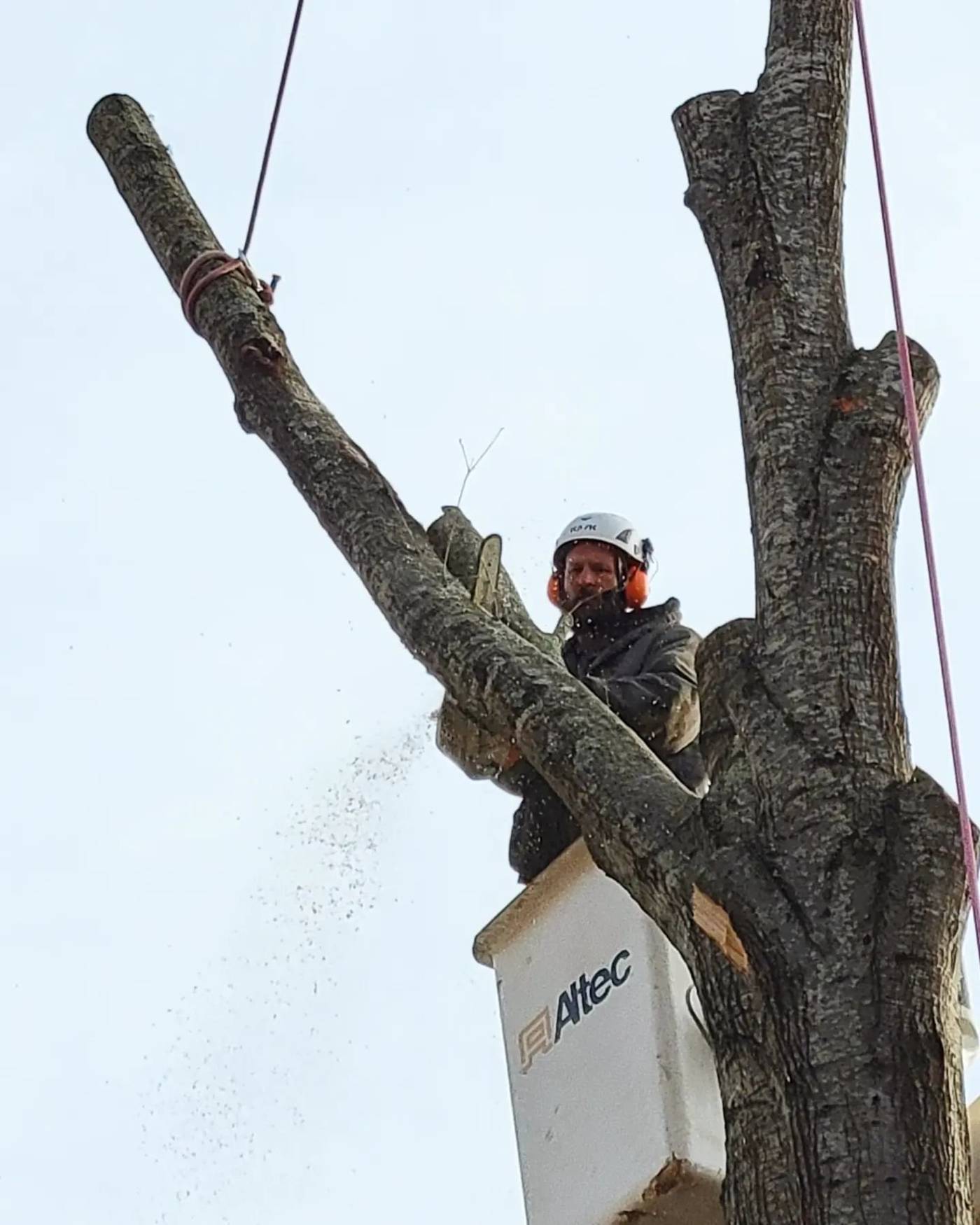
If it feels like this summer was hard on your trees, you're probably right. Between stretches of drought, sudden downpours, and the pop-up thunderstorms that roll through the Upstate all summer long, trees around Central, Clemson and Anderson take a real beating between June and September. A lot of that damage doesn't show up until fall, when the tree is already stressed and heading into cooler weather with fewer reserves to recover. Before you rake the first leaf, it's worth walking your yard with a homeowner's eye and knowing what to look for.
Why late summer is when stress shows
Trees don't usually fail the day they're damaged. A root system stressed by drought, a limb weakened by a July storm, or bark split by a fast temperature swing often takes weeks or months to show symptoms. Those symptoms tend to surface right around now, as the tree shifts energy from growth to storing reserves for winter. Catching problems in September, before leaf drop hides the canopy and before winter storms add new stress, gives your trees the best shot at heading into dormancy healthy.
A five-minute walk around the yard
- Thinning or dieback in the canopy. Branches at the top or edges with sparse, small, or early-yellowing leaves compared to the rest of the tree.
- Cracked, split, or peeling bark, especially where a limb meets the trunk.
- Mushrooms or shelf-like fungus at the base of the trunk or on exposed roots. This is often a sign of root or trunk decay.
- A new lean since spring, or soil that's lifted or cracked near the base.
- Hanging or broken limbs still caught in the canopy from summer storms.
- Small holes in a pattern, sawdust-like material at the base, or bark peeling in patches. These can be signs of a boring insect.
Drought stress or disease? They can look alike
Scorched, browning leaf edges and early leaf drop are classic drought stress signs across the Upstate after a dry summer. On an otherwise healthy tree they're usually manageable with deep, slow watering at the drip line through early fall. The difference that matters: drought stress tends to be even across the whole canopy, while disease and pest damage are usually patchy. One side of the tree, one section of branches, or a spreading dead spot. If what you're seeing is uneven, it's worth a professional look rather than assuming it's just the heat.
What to do with what you find
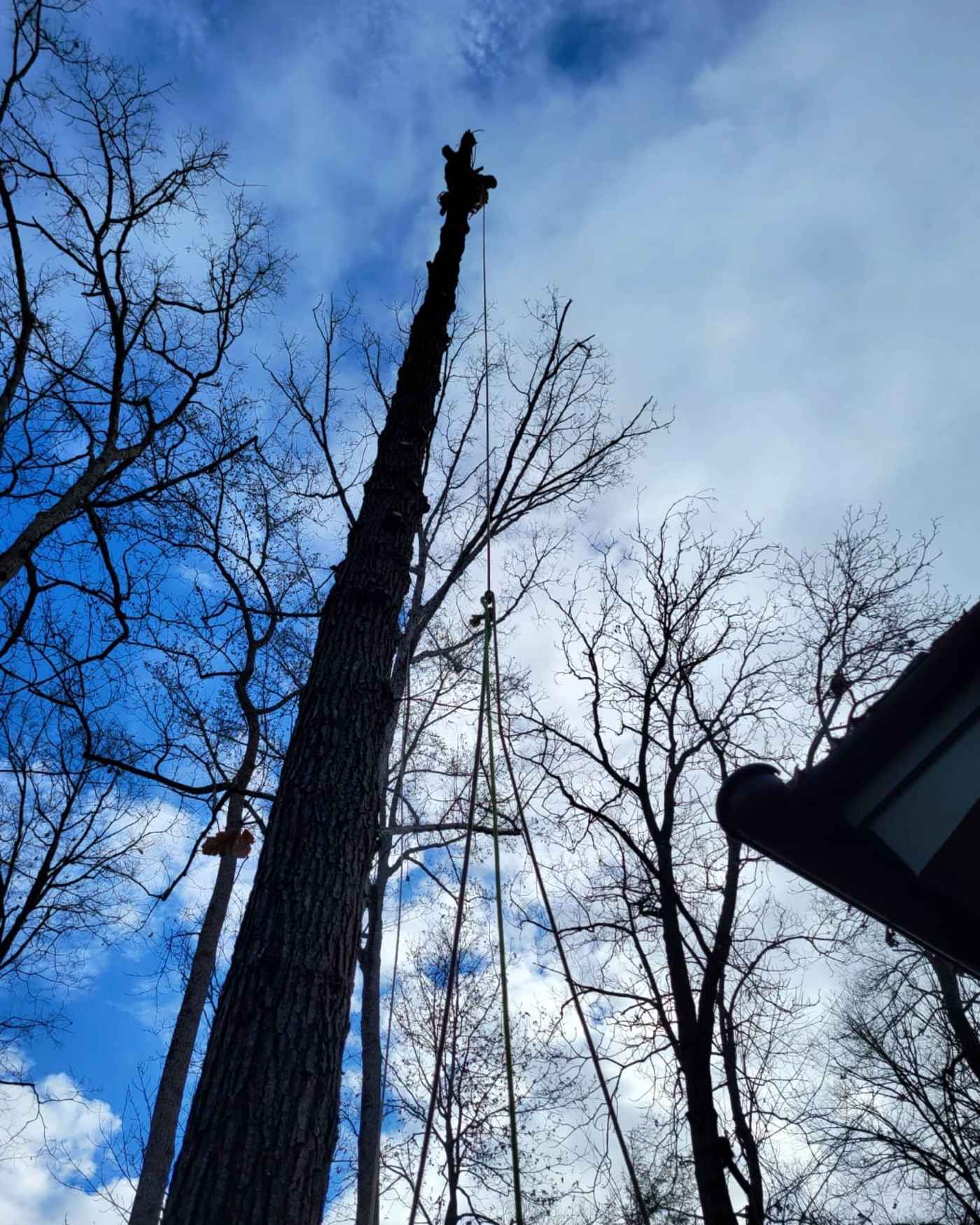
Minor thinning or leaf scorch on an otherwise sturdy tree usually just needs steady watering into fall and can wait for routine dormant-season pruning. Cracked bark near the trunk, fungus at the base, a new lean, or storm limbs hung up in the canopy are different. Those are structural and safety problems, and they're best looked at before winter wind and ice arrive, not after. A tree that has to come out is far easier to take down on a calm day than during a storm, and a quick look now costs a lot less than an emergency call later.
Frequently asked questions
How can I tell if my tree is just drought-stressed or actually dying?
Drought stress usually shows up evenly across the canopy: general leaf scorch, slightly smaller leaves, or earlier-than-normal color change, and it improves with consistent watering. A dying or diseased tree more often shows uneven, patchy dieback, with one whole section dead while the rest looks fine, or fungus and bark damage in one spot. Uneven symptoms are the bigger red flag.
Is it too late to water my trees in September and October?
No. Early fall watering is one of the best things you can do. Give mature trees a slow, deep soak at the edge of the canopy (the drip line) once a week if rain has been light, and taper off as temperatures cool. This helps trees rebuild energy reserves before winter.
Should I prune damaged limbs myself before fall?
Small, low dead twigs you can reach easily are fine to clip yourself. Anything that needs a ladder, a limb over about 2 inches thick, or anything near power lines should go to a professional. Bad cuts invite decay and insects, and storm-weakened limbs are more dangerous to remove than they look.
When should I call a tree service instead of waiting?
Call sooner rather than later if you see fungus at the base of the trunk, a new lean, cracked bark at the trunk, or large limbs hung up from summer storms. These get more dangerous, and more expensive, once winter storms are added to the mix.
Not sure if what you're seeing is normal end-of-summer stress or something more serious? We'll come take a look. Estimates are free across Central, Clemson, Anderson and the rest of the Upstate. Call (864) 508-4100 before fall pruning season fills up.